


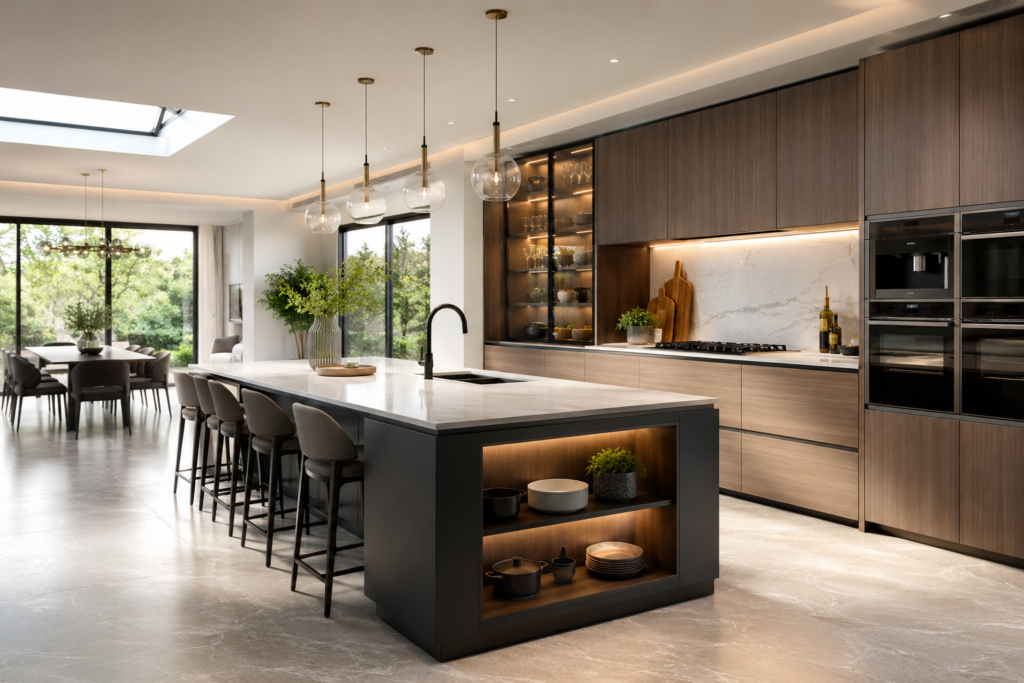
When it comes to kitchen renovation in London, choosing the right specialist can have a major effect on the finished space, the way it works every day and the value you get from your investment. A fitted kitchen is not simply a collection of cabinets placed around a room. It needs to work with the dimensions of the property, the position of doors and windows, existing plumbing, electrical points, appliances, storage needs and the way people use the kitchen.
London homes also present very different design challenges. A Victorian terrace may have narrow proportions, chimney breasts and uneven walls, while a modern apartment may need a compact kitchen that makes every centimetre count. Larger homes may have enough room for an island, tall storage, integrated appliances and a dedicated dining area. This is why finding a kitchen specialist with the right design approach matters.
The London fitted kitchen market includes bespoke kitchen companies, established kitchen retailers, home improvement brands and specialist installers. Some focus heavily on made-to-measure furniture, while others offer a wide range of standard kitchen units at different price levels. The right choice depends on your room, budget, design expectations and the level of involvement you want from the kitchen company.
This guide looks at ten fitted kitchen specialists that London homeowners may consider when planning a new kitchen or major kitchen renovation. The selection includes companies with different approaches, price points and design styles, so the purpose is not to suggest that one company will suit every homeowner. Instead, it provides useful context for comparing kitchen design services, fitted kitchen installation, bespoke furniture, storage options and overall project requirements.
What should you look for in a fitted kitchen specialist?
Before choosing a kitchen company, it helps to understand what actually separates one service from another. A good kitchen design should begin with the room rather than with a particular cabinet collection. Measurements, ceiling height, wall positions, windows, doors, structural features and service points all affect what can be achieved.
The designer should also ask practical questions about how you use the kitchen. Someone who cooks every day may need a different arrangement from a homeowner who mainly uses the kitchen for quick meals and entertaining. Families may need generous drawer storage, durable worktops and easy access to everyday items. Smaller London homes often benefit from tall cabinets, integrated appliances and clever corner storage because floor space is limited.
The quality of the kitchen furniture is another important consideration. Look at the cabinet construction, door finishes, hinges, drawer runners, handles, internal storage systems and worktops rather than judging the kitchen only by its appearance. A beautifully photographed kitchen can still be inconvenient if there is not enough preparation space or if commonly used appliances sit too far apart.
Installation should receive the same attention as design. A kitchen can look excellent in a showroom but produce problems if measurements are inaccurate or fitting is poorly managed. Ask who will install the cabinets, who will handle plumbing and electrical work, how changes are dealt with and what happens if an issue is discovered during installation.
It is also worth comparing quotations carefully. A low starting price does not always represent the lowest overall cost. Check whether the quotation includes cabinetry, handles, worktops, appliances, delivery, installation, plumbing, electrical work, waste removal and finishing work. Understanding what is included can make comparisons between fitted kitchen specialists much easier.
For London homeowners, location can also influence the process. A company that regularly works with properties in London may have experience with compact kitchens, period buildings, apartment restrictions, parking limitations and difficult access. These practical details can affect installation time and project planning just as much as the kitchen design itself.
Top 10 fitted kitchen specialists in London
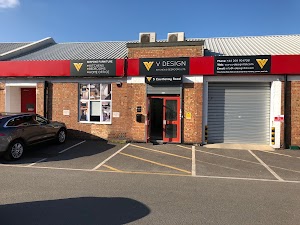
The first specialist in this guide focuses on bespoke fitted kitchens in London and places strong emphasis on designing furniture around the individual room. Bespoke kitchen design can be particularly useful when a property has unusual dimensions, awkward corners or features that make standard kitchen units difficult to position. A made-to-measure approach can also provide greater freedom over cabinet widths, storage arrangements, finishes and the relationship between the kitchen and the rest of the home. For homeowners looking for a luxury fitted kitchen in London, this type of service can provide more design freedom than a standard modular range.
Exquisite Kitchens is another name considered by homeowners searching for fitted kitchens in London. Its approach centres on combining visual appeal with practical kitchen planning. This is an important balance because a kitchen needs to look good while also supporting everyday tasks such as food preparation, cooking, cleaning and storage. When comparing a company such as this, homeowners should consider how much design input they receive, what furniture options are available and how installation is managed from the initial concept through to completion.
Wren Kitchens is one of the most recognisable kitchen retailers in the UK and offers a broad selection of kitchen styles. Its range includes traditional, contemporary and modern designs, giving homeowners plenty of choice when creating a new kitchen. A large retailer can appeal to people who want to compare different cabinet styles, colours and layouts in one place. Smart storage, integrated appliances and modern kitchen planning are also important considerations when looking at a Wren kitchen. Homeowners should still compare the complete project specification rather than making a decision based only on the advertised cabinet price.
Magnet Kitchens has a long-established presence in the UK kitchen market and offers a wide range of fitted kitchen styles. Its collections cover modern, traditional and Shaker-inspired designs, giving homeowners flexibility when deciding on the overall appearance of their kitchen. Magnet also provides kitchen design appointments and installation services, which can be useful for people who prefer to manage several stages of a project through one provider. When comparing Magnet with other fitted kitchen specialists, consider the cabinet specification, worktop choice, appliances, installation cost and aftercare included in the final quotation.
John Lewis is another established name that homeowners may consider when researching fitted kitchens. Its kitchen offering combines contemporary choices with more traditional design influences. The company is widely known across the UK for its broad home product range, so it can be an option for homeowners who want a familiar retailer while planning a kitchen renovation. The important point is to look beyond the brand name and assess the actual kitchen specification. Cabinet materials, internal storage, worktops, appliances and fitting arrangements all have an effect on the final result.
Bravo London focuses on luxury kitchen design and is suited to homeowners who want a more sophisticated finish. A luxury fitted kitchen is not necessarily defined by size. In many London homes, the quality of planning, cabinet finish, hardware, lighting and worktop selection can have a greater effect than simply adding more units. A good luxury kitchen should use the available space intelligently while keeping everyday movement comfortable. Homeowners considering a higher-end kitchen should therefore ask about materials, manufacturing, design development and installation standards before making a decision.
Tailored Kitchens provides another option for homeowners looking for a personalised kitchen design. Although the word tailored is commonly used in the kitchen industry, what matters is the actual degree of customisation offered. Ask whether cabinet dimensions can be changed, whether awkward areas can be designed around and how much freedom exists over finishes, storage and appliances. A contemporary kitchen can benefit from clean lines and integrated appliances, while a traditional kitchen may require different cabinet proportions, handles and decorative details. The design should respond to the property rather than force the room into a fixed layout.
Pimlico Plumbers is primarily recognised for plumbing and property services, but its wider home improvement offering has also made it a name that some homeowners may encounter when planning work that involves kitchen fitting. This can be relevant where plumbing, heating or other building services form an important part of a kitchen renovation. However, homeowners should clarify exactly which kitchen design and installation services are included in a quotation and which elements are handled by specialist trades. Kitchen projects often involve several different areas of work, so knowing who is responsible for each stage can prevent confusion.
Wickes is a popular home improvement brand with kitchen ranges aimed at different budgets and design preferences. It offers both kitchen products and professional installation options, which can make it attractive to homeowners who want flexibility in how their project is managed. For people working within a defined budget, comparing cabinet prices, worktops, appliances and fitting costs can help establish what is achievable. Wickes can also appeal to homeowners who prefer a more familiar retail environment rather than working exclusively with a small independent kitchen studio.
Funktional Kitchens focuses on contemporary kitchen design, with an emphasis on modern appearance and practical use. Contemporary fitted kitchens often use handleless doors, clean surfaces, integrated appliances, understated colours and carefully planned storage. These elements can work particularly well in modern London properties where the kitchen forms part of an open-plan living area. However, contemporary design should not mean sacrificing practical storage. The best layouts make it easy to reach everyday items while keeping less frequently used equipment organised away from the main preparation areas.
These ten names represent different approaches to kitchen design and installation. Some are better suited to homeowners seeking a broad retail range, while others may appeal to people who want a more individual design process. There is no universal answer to the question of which is the best fitted kitchen company in London because the right choice depends on the property, budget, preferred style, level of customisation and expectations for installation.
Bespoke fitted kitchens and standard kitchen ranges
One of the first decisions homeowners face is whether to choose a bespoke fitted kitchen or a more standard modular kitchen. Both approaches can work well, but they solve different problems. Standard kitchen units are produced in set dimensions, which can help keep manufacturing and purchasing straightforward. They can also provide a wide choice of colours, door styles and accessories.
Bespoke fitted kitchens offer greater freedom over dimensions and furniture configuration. This can be valuable in London properties where rooms are rarely identical. A chimney breast, sloping wall, structural column or narrow passage can make a standard layout less effective. Made-to-measure furniture can use these difficult areas more effectively and reduce unused gaps.
The decision should not be based on appearance alone. Consider how long you expect to use the kitchen, how much storage you need and whether the room has unusual dimensions. A standard kitchen may be perfectly suitable for a straightforward rectangular room, while a bespoke kitchen may provide greater value in a property with complex architectural features.
Worktops also deserve careful thought. Laminate worktops can provide an economical option with many decorative finishes. Quartz, granite, porcelain, solid wood and other materials can create different visual and practical qualities. The right choice depends on how the kitchen is used, how much maintenance the homeowner is comfortable with and how the worktop fits into the overall kitchen budget.
Storage planning is equally important. Deep drawers can make pots and pans easier to access, while tall units can provide useful space for food storage and appliances. Pull-out larders can make narrow areas more practical, while internal drawer systems can organise smaller items. In a compact London kitchen, these details can make a noticeable difference to everyday use.
Kitchen lighting should also form part of the design from the beginning. General ceiling lighting can provide overall illumination, but task lighting beneath wall cabinets or around preparation areas can make cooking easier. Pendant lights can add visual interest above an island or dining area, while integrated lighting inside cabinets can improve visibility.
Another important issue is appliance placement. The oven, fridge, sink, dishwasher and main preparation area should form a comfortable working arrangement. Homeowners should think about door openings, walking routes and the amount of clear worktop available beside major appliances. A visually attractive kitchen can become frustrating if several people cannot move through it comfortably.
Kitchen renovation costs and planning in London
The cost of a fitted kitchen in London can vary considerably because every project has a different specification. Cabinet choice, room size, worktops, appliances, installation, building work and finishing materials all affect the final figure. This makes it difficult to give one price that applies to every London kitchen.
A useful starting point is to establish the overall project budget before selecting finishes. Divide the budget between furniture, appliances, worktops, installation and any additional building work. This gives homeowners a clearer picture of where money is being spent and helps prevent expensive design changes later.
The existing condition of the room also matters. Replacing cabinets in an otherwise suitable kitchen is very different from removing walls, relocating plumbing, moving electrical points or changing flooring. Structural changes can increase both cost and project duration, so they should be considered before the kitchen layout is finalised.
London properties can also introduce practical challenges. Access to upper-floor flats may be restricted, parking can be limited and building management rules may affect delivery or working hours. Period properties may have unusual walls, floors or services that require additional care. A kitchen specialist should identify these issues during the early planning stage.
Homeowners should also ask for a clear written quotation. The quotation should explain what furniture, fittings, appliances and installation work are included. If additional work may be required, ask how those costs will be handled. Clear communication at this stage can reduce disagreements later.
The cheapest kitchen quotation is not automatically the best option. A very low figure may exclude important parts of the project, while a high quotation may include features that the homeowner does not actually need. Comparing like-for-like specifications gives a much clearer picture of value.
For homeowners researching related kitchen topics, it can also be useful to read guidance about bespoke fitted kitchens, modular kitchen design, kitchen worktops, kitchen storage solutions and kitchen installation. These related subjects can help explain individual choices before a final kitchen layout is approved.
Frequently asked questions about fitted kitchen specialists in London
Which is the best fitted kitchen specialist in London?
There is no single kitchen company that is best for every homeowner. The right choice depends on the property, budget, preferred design, amount of customisation required and the services included in the quotation. A homeowner with an unusual room may prefer a bespoke kitchen company, while someone looking for a broad selection of standard ranges may prefer a larger retailer.
How much does a fitted kitchen cost in London?
The cost depends on the size of the room, cabinet specification, worktops, appliances, installation and any building work. London projects can vary significantly, so homeowners should obtain detailed quotations based on their actual room and chosen specification rather than relying on a general advertised price.
Is a bespoke fitted kitchen worth the extra cost?
A bespoke kitchen can be worthwhile when the room has unusual dimensions or when the homeowner needs very specific storage and furniture arrangements. It can also provide more control over finishes and cabinet sizes. For a simple rectangular kitchen, a standard modular range may provide everything needed at a lower cost.
How long does a fitted kitchen installation take?
The installation period depends on the size and complexity of the project. A straightforward replacement may take less time than a renovation involving new flooring, electrical work, plumbing changes, structural alterations or appliance relocation. The design and manufacturing stage also needs to be considered when planning the overall project.
Should I choose a kitchen designer or a kitchen retailer?
Both can be suitable. A kitchen designer may provide a more individual design process, while a retailer may offer a wider range of standard products and established installation services. The most important consideration is whether the provider understands your room and can clearly explain the complete project.
What should I ask a kitchen specialist before hiring them?
Ask who designs the kitchen, who manufactures the furniture, who installs it and which trades handle plumbing and electrical work. You should also ask about the materials, hardware, worktops, appliances, project timescale, payment stages and what happens if changes are required.
Are fitted kitchens suitable for small London homes?
Yes. Fitted furniture can be particularly useful in smaller homes because the layout can be planned around the available space. Tall cabinets, integrated appliances, drawer storage and carefully designed corners can help increase usable storage without making the room feel crowded.
What kitchen style works best in a London home?
There is no single style that works for every London property. Shaker kitchens can complement period homes, while handleless and minimalist designs can work well in contemporary properties. The best style is one that suits the architecture of the home while meeting the practical needs of the people using it.
Should appliances be integrated into a fitted kitchen?
Integrated appliances can create a clean appearance because they sit behind matching cabinet fronts. Freestanding appliances can offer easier replacement and may be more suitable for certain budgets. The decision should consider appearance, maintenance, available space and future appliance replacement.
How can I get more storage from a fitted kitchen?
Storage can be increased by using tall cabinets, deep drawers, corner solutions, pull-out units and internal organisers. The most useful storage is positioned according to how often items are used. Everyday cookware should be easy to reach, while seasonal or occasional items can be placed in less accessible areas.
What makes a kitchen design practical?
A practical kitchen provides enough preparation space, sensible movement between appliances, suitable storage and good lighting. The sink, cooking area and refrigerator should be positioned so everyday tasks feel natural. The design should also account for how many people use the room at the same time.
Can a fitted kitchen increase the appeal of a London home?
A well-planned kitchen can improve the appearance and usability of a property, which can be valuable when living in the home or preparing it for sale. However, homeowners should avoid designing solely for resale. A kitchen that works well for everyday life is usually a more sensible investment than one based only on current trends.
How to choose the right kitchen company for your home
Choosing between fitted kitchen specialists should begin with your own requirements. Think about the size of the room, the amount of storage needed, the appliances you already own, the style you prefer and the changes you want to make. Once these points are clear, it becomes easier to compare kitchen companies on relevant factors rather than simply comparing photographs.
Look closely at completed kitchen projects where possible. Photographs can show the quality of the finished design, but they do not always reveal how the kitchen works in everyday use. Look at cabinet proportions, storage arrangements, appliance positions, worktop joins, lighting and how the kitchen connects with the rest of the room.
Reviews can also provide useful insight, but they should not be the only factor in your decision. Consider whether reviews discuss the design process, communication, installation and aftercare. A company may have attractive projects but still not be suitable for your particular type of property.
A showroom visit can help you understand materials and finishes that are difficult to judge on a screen. Open drawers, examine hinges, look at worktops and compare cabinet finishes under different lighting. These small checks can make the selection process more informed.
It is also worth asking for a design that reflects the actual room rather than a generic example. A good plan should show how the furniture fits around windows, doors, walls, services and appliances. If the proposed layout looks impressive but does not address practical constraints, ask questions before agreeing to proceed.
Think about the kitchen as part of the whole home. In open-plan properties, the cabinetry may need to complement the living and dining areas. Colours, handles, worktops and lighting can influence how the entire space feels. In smaller homes, the kitchen may need to provide additional functions such as dining, laundry or storage.
The best fitted kitchen is not necessarily the largest, most expensive or most fashionable option. It is the one that makes sensible use of the room, supports everyday routines and continues to look appropriate as your needs change.
Planning your next kitchen renovation
A successful kitchen renovation starts long before the first cabinet is installed. Give yourself enough time to consider the layout, storage, appliances, worktops, lighting, finishes and installation requirements. Rushing the design stage can lead to compromises that become difficult or expensive to change later.
It is also useful to separate essential requirements from decorative preferences. Adequate storage, good preparation space and sensible appliance positioning should normally come before cosmetic details. Once the practical framework works, colours, handles, splashbacks and decorative features can bring personality to the room.
If you are comparing kitchen specialists in London, take your time with quotations and ask questions whenever something is unclear. A good project should have a clear scope, understandable pricing and a design that reflects the actual property.
Homeowners researching a wider fitted furniture project may also find it useful to explore related information about fitted bedrooms, fitted wardrobes, media walls and home offices. These areas can help create a consistent approach to storage and furniture throughout the home, particularly where several rooms are being renovated at the same time.
The most useful kitchen design is one that balances appearance with everyday practicality. Trends can provide inspiration, but the layout should ultimately reflect the people who live in the property. A kitchen that is easy to use, well organised and suited to the architecture of the home is more likely to remain satisfying long after a particular colour or style has gone out of fashion.
Conclusion
Choosing among the top fitted kitchen specialists in London requires more than comparing photographs or headline prices. Homeowners should consider design expertise, cabinet quality, storage planning, installation, materials, project scope and how well the proposed kitchen suits the property.
For homeowners seeking a considered kitchen renovation, V Design Kitchens and Bedrooms provides bespoke fitted kitchen solutions designed around the room, the household and its practical requirements. We focus on creating kitchens that combine thoughtful design, useful storage and a refined finish without losing sight of everyday living.